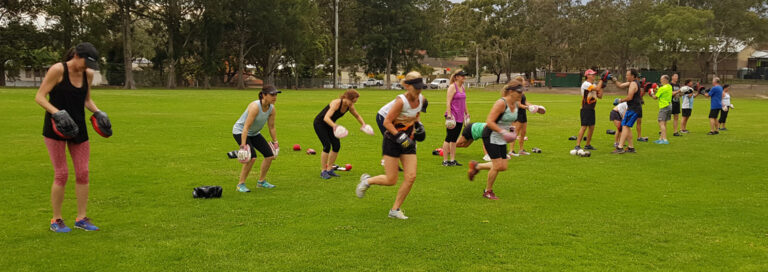

Morning training can work well when it gives exercise a reliable place before the day becomes busy. It won’t suit every schedule, and it shouldn’t regularly cost you sleep. The useful test is whether the timing makes training easier to repeat and leaves you able to manage the rest of your day.
If you enjoy an early start, that’s helpful. If your first coherent sentence happens at ten, there are other options.
Look at the whole morning
Count backwards from the time you need to leave for work or begin your other responsibilities. Include getting to the session, warming up, getting home, eating and changing. A thirty-minute workout can occupy considerably more than thirty minutes of the morning.
Then check whether the wake-up time works with a realistic bedtime. Australian adult movement guidance includes adequate sleep alongside activity. Regularly shortening one to make room for the other deserves a rethink.
For shift workers, parents and anyone with unpredictable nights, flexibility may be more useful than a fixed early alarm.
Begin with one or two suitable days
Choose the mornings with the least friction and plan a manageable session. Keep the first few workouts familiar so you’re learning the timing without also learning an entirely new programme.
You might decide that one weekday morning and one weekend session fit well. Or you might prefer training after work. Give the experiment enough time to notice a pattern, while staying willing to adjust it.
Our guide to building a consistent routine explains how to choose realistic commitments and backups.
Prepare while you’re properly awake
Set out clothes, check the weather and pack what you’ll need afterwards. If you’re travelling to a session, confirm the time and location. Put breakfast ingredients somewhere easy to find.
Planning those details in advance means fewer decisions before you’ve had a chance to wake up. It also makes it easier to notice whether the actual obstacle is transport, food, childcare or the session itself.
Leave time for gradual preparation once you start exercising. A late arrival doesn’t require jumping straight into the hardest set to catch up.
Work out what food feels comfortable
Some people manage a short, easy session before breakfast; others feel better with a small snack. Your health needs, session demands and food tolerance matter. If you’ve been given advice about blood glucose or meal timing, follow that advice.
Try familiar options and pay attention to how you feel. Our article on food before and after training can help you organise the practical details. You don’t have to make breakfast complicated just because it happens near a workout.
Review what the timing gives you
After a few sessions, ask whether you made them more consistently, enjoyed them and recovered adequately. Consider the effect on the afternoon too. A morning routine that leaves you repeatedly exhausted may need less training, more sleep or another time slot.
There is no special prize for the earliest start. Choose a schedule that supports your goals and fits your responsibilities, then keep refining it as life changes.
If you’d like help finding a workable training routine, contact Rush PT to discuss current coaching options.