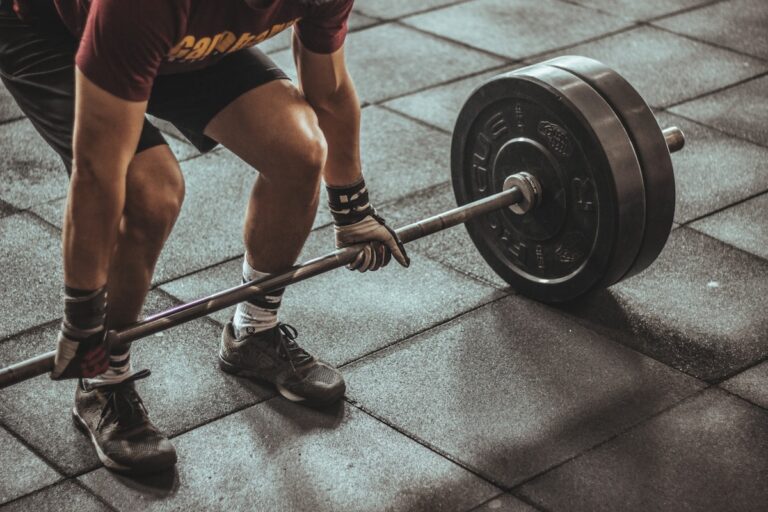
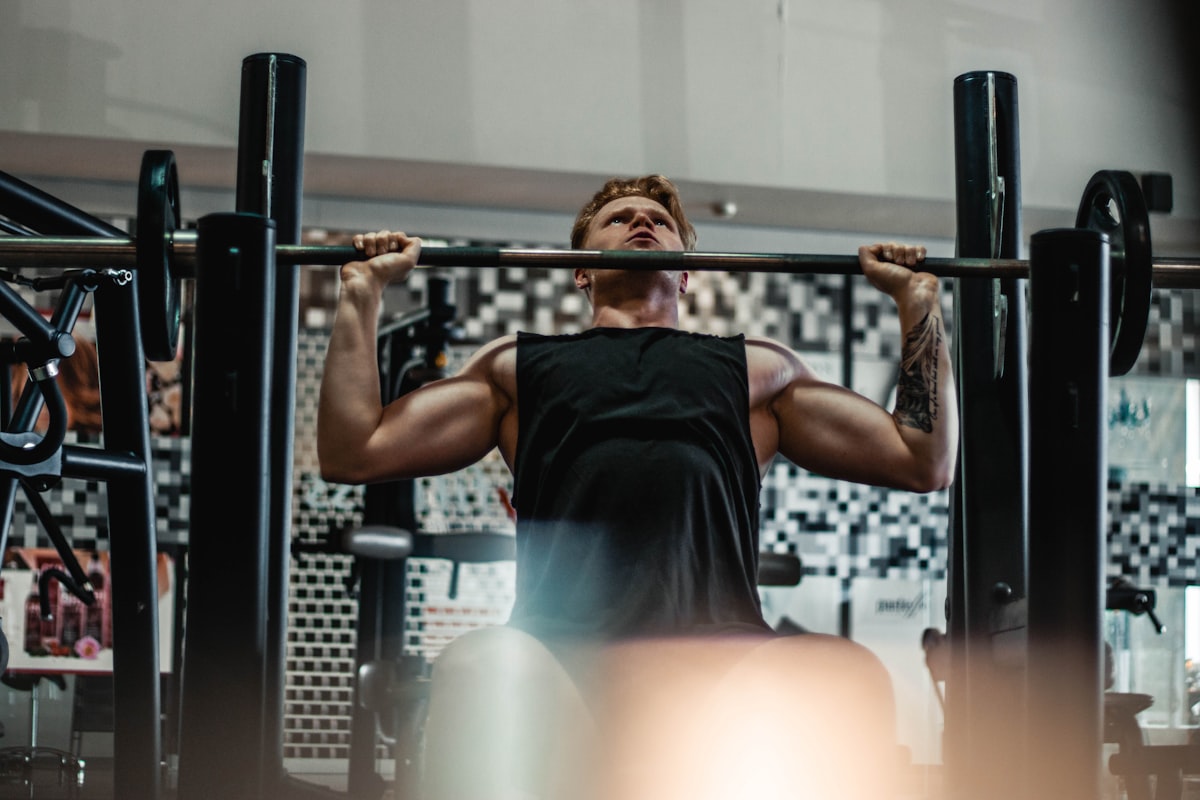
Compound exercises involve movement at more than one joint. Squats, presses and rows are familiar examples, and they can be an efficient way to train several muscle groups in a session. They aren’t a reason to declare your biceps curls a waste of everyone’s time.
A useful programme chooses exercises for the person and the goal. Compound movements often make good building blocks; more targeted exercises can fill a different job.
What counts as a compound movement?
In a squat, your hips and knees move while several muscle groups contribute. In a press, your shoulders and elbows are involved. A row combines pulling at the shoulder and elbow.
Common options include:
- Squat variations: a goblet squat, split squat or suitable machine.
- Hip hinges: a deadlift or Romanian deadlift variation.
- Pushes: an elevated push-up, dumbbell press or machine press.
- Pulls: a supported row, pulldown or another suitable pulling exercise.
Loaded carries can also be useful in a programme, although the task is largely holding and walking rather than repeatedly moving through the same joints. You don’t need to force every exercise into a tidy category to use it well.
Why they’re handy when time is short
If you have a limited training window, a few well-chosen movements can cover several priorities without needing a long equipment tour. For example, a leg exercise, a push and a pull may form the main part of a general strength session.
That doesn’t mean three exercises train everything equally, or that they deliver a particular percentage of all possible results. Your exercise selection, effort, amount of work and progression still matter.
ACSM’s 2026 guidance puts regular, individualised resistance training ahead of unnecessary complexity. It also recognises that machines, free weights and other forms of resistance can be useful.
Keep the exercise suited to you
A barbell back squat isn’t compulsory. A goblet squat, supported split squat or leg press may be a more practical choice depending on your goals, experience and available equipment.
The same applies to hinges. You might raise a kettlebell on a stable support or use another movement altogether. Our exercise-scaling guide explains how to change the challenge without treating the hardest-looking version as the winner.
Get help if pain or an existing condition affects the movement. A complex exercise isn’t automatically unsafe, and a simple one isn’t automatically appropriate for every person.
Isolation exercises have a job too
A curl, calf raise or knee-extension exercise lets you focus work more specifically. That can be useful for a muscle-building goal, a sport requirement or a clinician-guided rehabilitation plan.
You don’t need to justify every exercise by pretending it perfectly copies carrying shopping. Training can be useful even when daily life doesn’t ask you to perform a neat set of ten.
Choose what you need, then fit it into the available time. For some people that’s mostly compound movements with a little targeted work. For others, a different balance makes sense.
Build the week, then progress it
A simple example is to use a leg movement, push and pull in each of two sessions, changing variations if needed. Add other work according to your goals and capacity rather than copying a fixed list.
Record the exercise, resistance and repetitions. When the current work is manageable and recovery is going well, consider a small adjustment. Our guide to progressive overload explains what that can look like.
If you’d like a plan built around your time and equipment, ask Rush PT about local personal training or online PT. A clear, repeatable session is a good place to start.