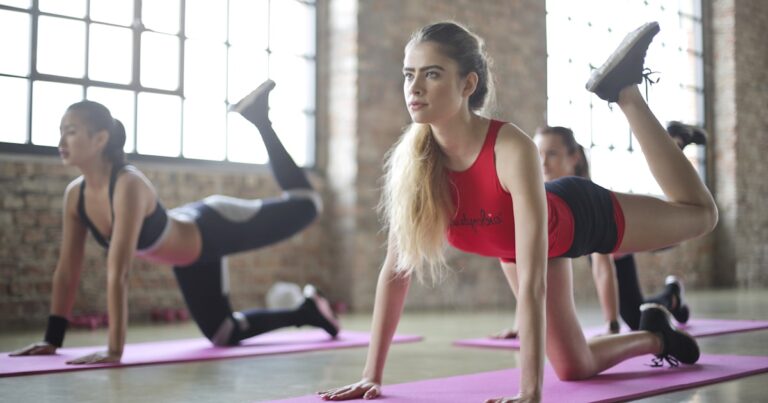
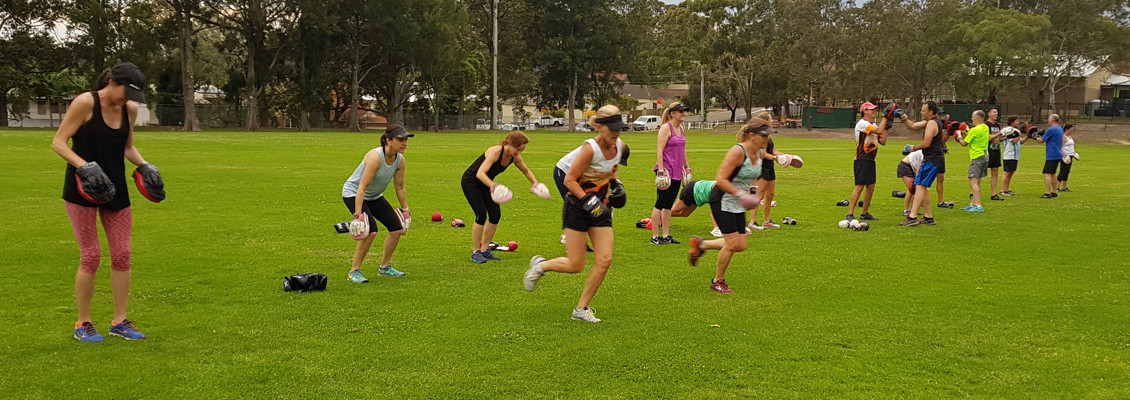
Outdoor training and gym training can both support a useful fitness routine. The better choice depends on your goals, equipment needs, preferences and what you can attend consistently. You can also use both. There isn’t a membership committee that makes you choose a side.
A park gives you a different setting; a gym gives you different tools. Here’s how to weigh that up without pretending either one solves everything.
How do you feel about the setting?
If you enjoy green space and natural light, being outdoors may make the session more appealing. Rushcutters Bay offers a harbour backdrop and space to move, which can be a welcome change after a day inside.
Research suggests possible benefits for mood and enjoyment, but it doesn’t establish that outdoor exercise is consistently better than indoor exercise. A review of longer-term comparisons found few studies, substantial differences between them and a high risk of bias.
A 2011 systematic review reported promising findings for immediate wellbeing, enjoyment and intention to exercise again outdoors. Intending to return isn’t the same as showing better attendance over months or years.
And cortisol isn’t a simple score for a good workout. One randomised crossover trial found no significant difference in its reduction after mountain hiking compared with indoor treadmill walking. That particular result doesn’t settle every outdoor-versus-indoor comparison.
What equipment do your goals need?
Bands, bodyweight movements and portable weights can offer plenty of training options. A gym may make heavier or more precisely adjustable loading easier, with racks, machines, benches and a wider range of weights.
If you want to train a particular barbell lift, the right gym setup is an obvious advantage. If you’re working on general strength with suitable portable equipment, you may not need a full weights room.
Rehabilitation needs can also affect the choice. Discuss the equipment and supervision your treating professional recommends. Neither a park nor a machine is automatically the right setting for every injury.
Company comes from people, not a postcode
Outdoor group training can give you familiar faces and a regular appointment. So can an indoor class. You might prefer individual coaching, enjoy a group or like training alone.
Think about what helps you turn up: a convenient session time, clear instruction, people you feel comfortable around or the freedom to work at your own pace. Our guide to finding a training group that fits gives you useful questions to ask.
Be honest about weather and travel
An indoor venue usually makes it easier to train when conditions outside are unsuitable. Outdoors, heat, rain, air quality and slippery surfaces can change the plan.
Travel matters too. A wonderful location across town may be less useful than a decent option near home. Add the whole appointment to your mental calculation: getting there, training, getting changed and getting back.
If you’re considering the outdoor option, browse our Sydney parks and routes guide for local context.
Try it, then compare the right things
After a session, ask whether the exercises suited you, the coaching was clear and the logistics worked. Did you enjoy enough of it to return? A session doesn’t have to feel harder to be worthwhile.
A mixed routine can work well if you enjoy both settings and allow enough recovery. You don’t need a minimum of four sessions to justify using two venues.
For help choosing a format, explore Rush PT’s personal training and group options in Sydney’s Eastern Suburbs. Pick the setup that gives your training a realistic place in your week.