Protein needs vary with body size, age, training, overall food intake and health. If you train regularly, including protein-rich foods across your meals is a useful starting point. You don’t need to begin by buying a large tub of powder and rearranging your life around the scoop.
The next step is to find an amount that fits your circumstances, rather than copying a target from someone whose training and body size are very different from yours.
Use ranges as context
The Australian Institute of Sport’s protein guidance describes approximately 1.2–1.6 grams per kilogram of body mass per day for athletes in heavy training. It discusses higher amounts in some athlete weight-loss settings. Those are sports-nutrition contexts, not an instruction that every person needs the top of a range.
For an 80-kilogram adult, 1.2–1.6 grams per kilogram works out to 96–128 grams daily. That’s an arithmetic example to make the numbers understandable, not an individual prescription. An accredited practising dietitian or sports dietitian can help choose a suitable target, particularly if health conditions, pregnancy, low appetite or a weight-change goal complicate the picture.
If you’ve been given advice to limit protein, follow that advice and speak with your treating professional before changing it.
See what your usual meals provide
For a few ordinary days, notice where protein appears. You might already include eggs, dairy, fish, meat, tofu, tempeh, beans or lentils. The amount varies by food, brand and serving size, so check labels when a number would help.
You don’t need to turn every meal into a calculation. Start by identifying a gap. If breakfast is usually coffee and nothing else, adding a meal you can manage may be more useful than fine-tuning dinner to the nearest gram.
Our guide to reading nutrition labels explains the difference between a serving and the amount per 100 grams. That distinction saves quite a bit of accidental maths.
Build meals you actually want to eat
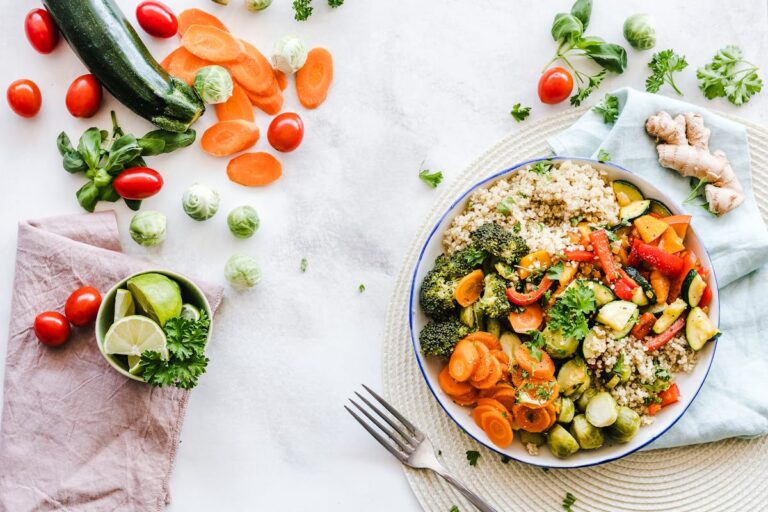
Try combinations such as yoghurt with oats and fruit, eggs on toast, a tofu and rice bowl, lentil soup with bread, or fish with potatoes and vegetables. Adjust portions to appetite, preferences and your overall needs.
Protein is one part of the meal. Carbohydrate, fats, fibre and enough total food matter too. Replacing most of your normal meals with protein products can make eating more expensive and less varied.
Spreading protein-rich foods across the day is a practical way to organise intake. Your meals can vary in size and still contribute to the overall plan. Avoid treating each one as a pass-or-fail protein exam.
Decide whether a supplement solves a problem
A protein supplement may be convenient if food is difficult to organise or appetite is limited. It isn’t compulsory. Consider cost, tolerability and what the product adds to your existing meals; get qualified advice where needed.
For sessions around breakfast or work, what to eat before and after training offers practical ideas. Keep your food routine going on rest days too, adjusting it to your needs rather than dropping meals because you didn’t exercise.
If you’d like help organising your training goals, contact Rush PT. Personal nutrition targets are best developed with an appropriately qualified dietitian.