The most useful way to track fitness progress is to choose a small number of measures that match your goals, review them occasionally and use them to guide your next step. Your tracker should earn its place. It doesn’t need to become your manager.
For many people, a training log and a quick wellbeing check are enough. Body weight, measurements and photos are optional. You can get stronger, build fitness and enjoy training without keeping a photographic record of your waist.
Decide what progress means to you
Want to carry shopping more easily? Track the weight you can carry comfortably. Want to walk further? Note your usual route and how demanding it feels. Want a steadier routine? Record completed sessions over a month.
Make the measure specific enough to be useful. “Feel fitter” becomes “walk my usual hill with fewer stops”. “Get stronger” becomes “complete eight controlled push-ups at a lower incline”. The target should reflect something you actually care about.
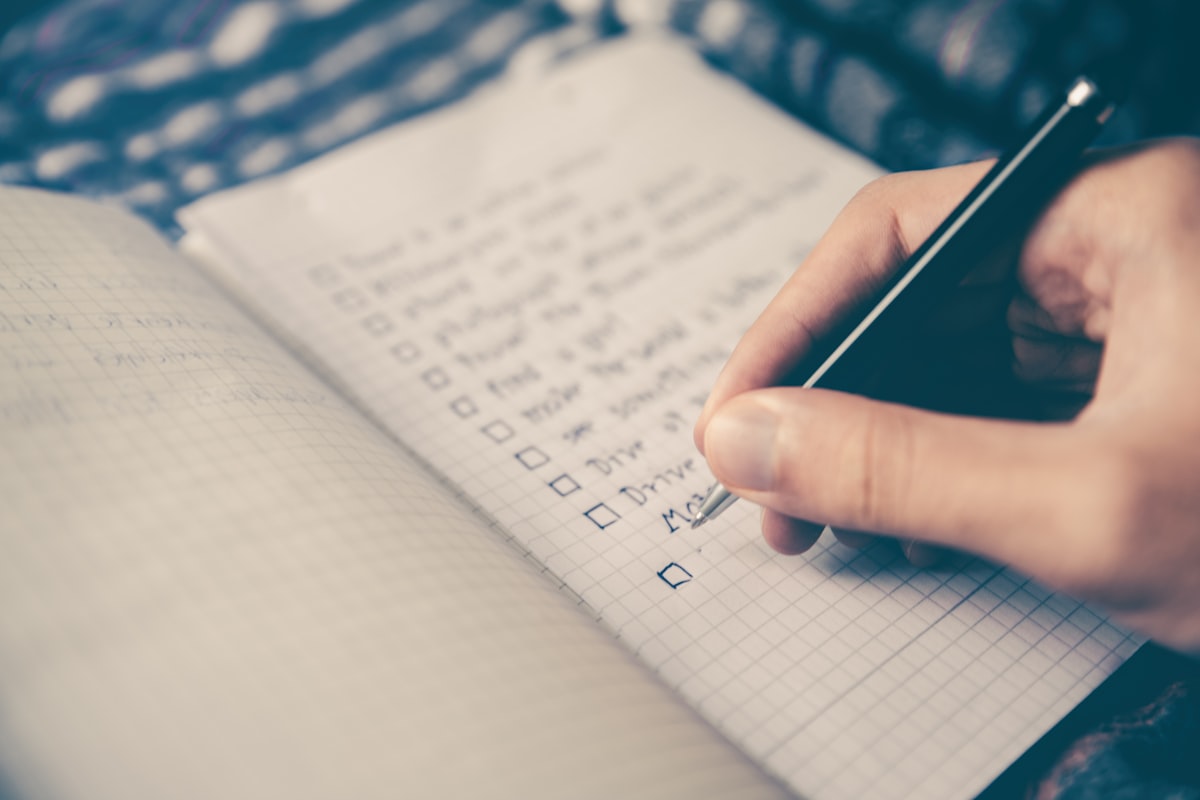
Keep a small, useful record
Try these two categories for the next four weeks:
- One performance measure: an exercise, walking route or manageable fitness task that you repeat in similar conditions.
- One process measure: how many planned sessions you completed, or how often you fitted movement into a busy day.
Add a short note about energy or enjoyment if that helps. “Tired after late shift; reduced the session” is useful information. It explains the numbers and stops one difficult workout becoming a verdict on your entire fitness career.
Our guide to setting fitness goals that stick can help you choose a starting point.
Read trends with some context
Strength and stamina vary from day to day. Sleep, stress, illness, menstrual cycles, recent training and conditions can all affect a session. Compare several similar sessions before deciding your plan has stopped working.
If you choose to track weight, remember that a single reading also reflects fluid and food in your system. It cannot tell you precisely how much muscle or fat you’ve gained. Decide whether weighing adds useful information before deciding how often to do it.
Photos and clothing fit have limitations too: lighting changes, clothes stretch and bodies vary. None deserves the final say on whether you’re doing well.
Use a ten-minute monthly review
Ask what improved, what stayed steady and what got in the way. Then change one thing if needed: the training time, the exercise variation or the amount of work. You don’t need to rebuild the whole plan because Tuesday was ordinary.
If logging itself feels like another chore, simplify it. A few notes after a session can tell you plenty. For a broader perspective, try our fitness review questions.
Notice when tracking stops helping
Compulsively checking numbers, restricting food after a weigh-in or exercising to compensate for eating are reasons to seek support. A GP or qualified mental health professional can help; Australia’s Butterfly Helpline supports people concerned about eating disorders and body image.
If you’d like help choosing sensible measures for your training, talk with Rush PT about fitness coaching. A useful check-in should leave you clearer about what comes next.