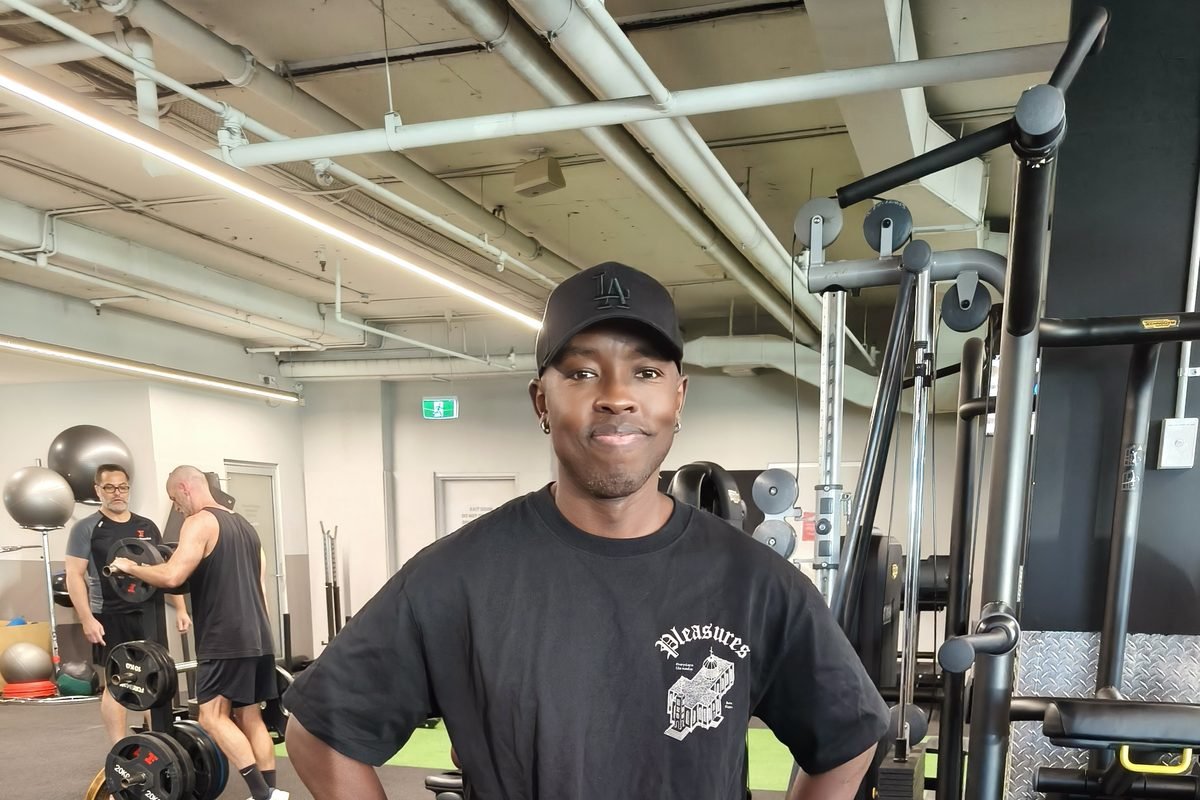
Rush PT’s training approach is built around three practical ideas: choose movements that suit you, progress at a manageable pace and connect the work to your life outside training. Sakaja’s role as your coach is to help turn those ideas into a routine you can use.
You should be able to ask why an exercise is in your programme and get a clear answer. “Because it looked impressive on Instagram” is a fairly unconvincing explanation.
Start with a useful conversation
What do you want to improve? What have you tried before? What equipment, time and support do you have? Those questions give training a starting point that means something.
A goal might be getting stronger, returning to regular activity, improving fitness or feeling more capable in everyday tasks. Your previous training and any relevant medical or rehabilitation guidance belong in that conversation too.
Being new isn’t something to apologise for. Neither is coming back after a long gap. The starting point is information, not a judgement.
Choose movement you can practise
“Move well” means choosing a setup and movement you can control appropriately for the task. It doesn’t require every person to squat to the same depth or look identical when they lift.
Body proportions, experience, comfort and the goal all affect exercise choices. A supported movement or machine can be useful. So can a free weight. The equipment doesn’t tell us how serious you are.
Our guide to scaling exercises shows how support, resistance and range can change the challenge. If symptoms suggest an injury or medical issue, assessment belongs with an appropriate health professional.
Progress with a reason
Progress may involve more resistance, another repetition, improved control or completing a routine more consistently. It doesn’t have to mean making every session harder than the last.
First establish what you’re doing now and how you’re recovering. Then change a useful part of the plan. If life gets busy or you’re returning after illness, the appropriate adjustment may be less work for a while.
The aim is to accumulate training you can recover from. Our article on progressive overload without burnout explains how to approach that without turning the programme into a weekly dare.
Give the training a place in your life
Strength can support tasks you care about: lifting, carrying, walking hills or enjoying activities with family and friends. Fitness goals can also be about sport, confidence or simply having an enjoyable routine.
No programme can promise you’ll never get injured or guarantee how you’ll feel decades from now. It can give you a clear way to practise the abilities you want to develop and review how things are going.
For a longer view, read training for life. The useful question is what you want your effort to make possible.
Choose the coaching format that fits
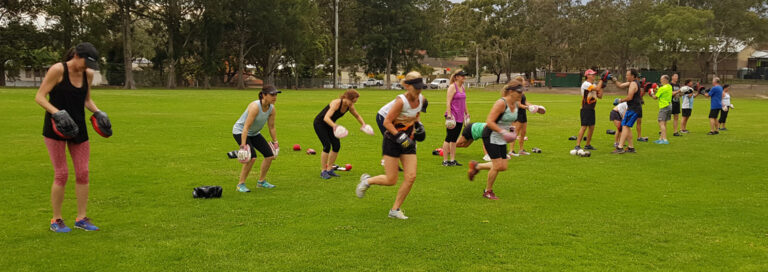
Rush PT offers personal training, fitness coaching, group training and bootcamps in Sydney’s Eastern Suburbs, along with online PT for people elsewhere in the world.
You might value individual attention, enjoy the company of a group or need a plan that works where you live. Ask about the available options and what each involves rather than assuming one format is best for everyone.
Get in touch with Sakaja through Rush PT and share what you’re working towards. We can start there. No need to arrive with a perfect training history or an elaborate five-year fitness manifesto.