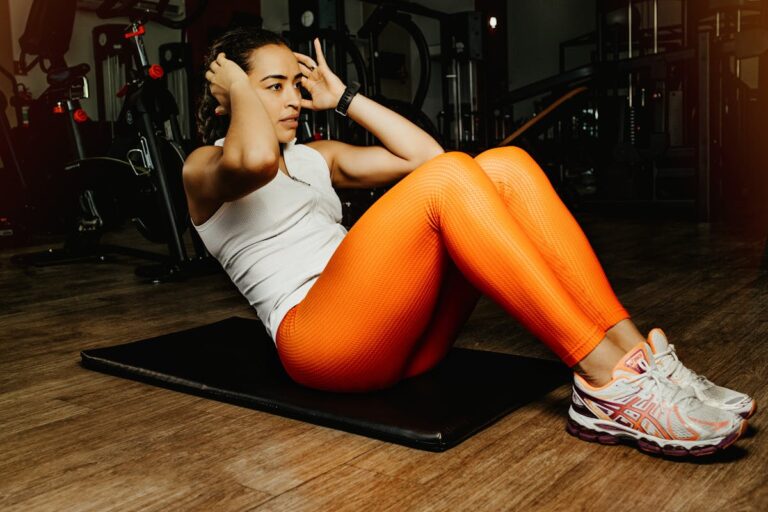
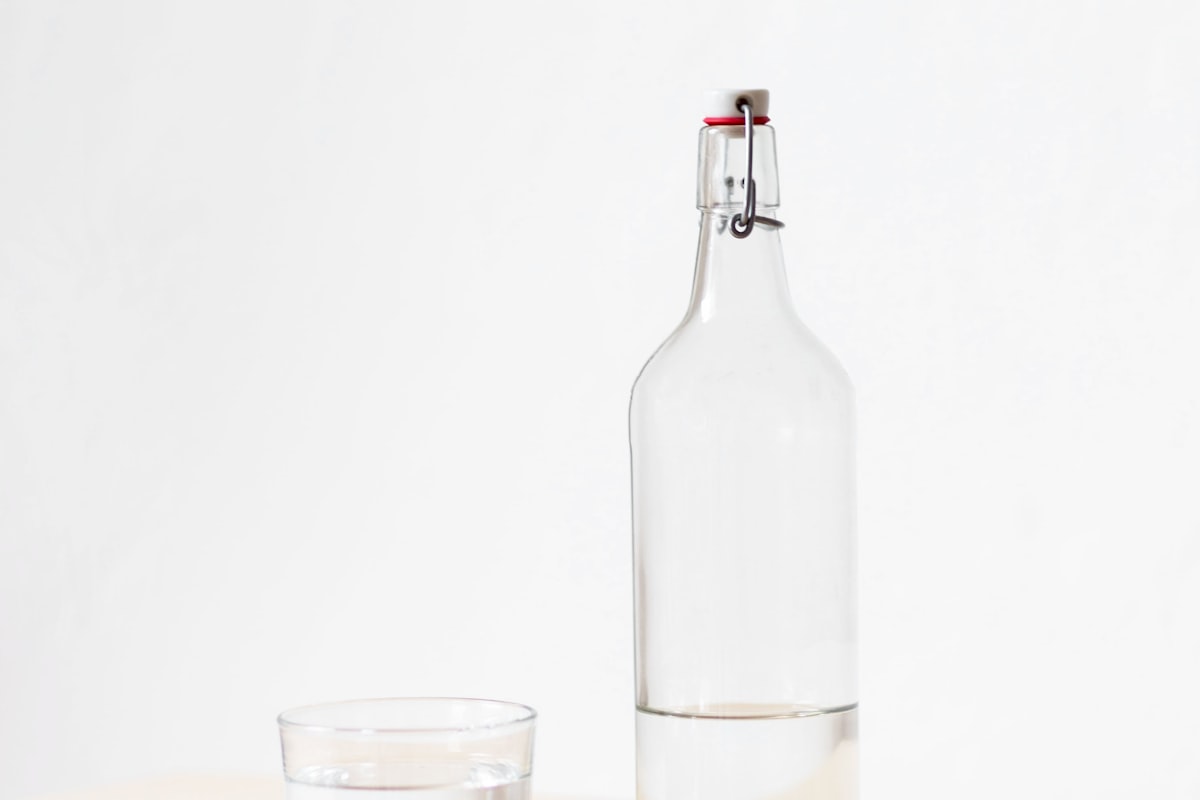
For everyday training, make water accessible, arrive reasonably hydrated and drink according to your needs and the conditions. Longer sessions, hot weather and heavy sweating may need more planning. There isn’t one bottle size or hourly target that suits everyone.
Hydration matters, but it isn’t the automatic explanation for every tired workout. Sleep, food, training load and illness can also affect how you feel.
Why fluid needs vary
You lose fluid through normal daily processes and sweat. How much you lose during exercise depends on the weather, intensity, duration, clothing and your individual sweat rate.
Healthdirect’s drinking-water guidance explains that requirements vary with activity and circumstances. Food and other drinks contribute fluid too; water remains a convenient everyday choice.
Thirst, how frequently you urinate and urine colour can provide clues, although none is a perfect measurement. Vitamins, foods and medicines can affect colour. Aim for a sensible overall pattern instead of inspecting every bathroom visit like a laboratory report.
Before and during an ordinary session
Keep a drink available through the day and have some water with meals. If you train early, drink an amount that feels comfortable rather than forcing a large volume immediately before moving.
Bring a bottle or know where drinking water is available. Take opportunities to drink during the session, particularly as conditions warm up. You shouldn’t have to wait until the end simply because everyone else is still exercising.
Sports Dietitians Australia’s exercise guidance identifies water as a useful choice for shorter sessions. Longer or demanding exercise can also involve carbohydrate and sodium needs, which deserve a more individual plan.
Do you need electrolytes?
For many ordinary workouts, water and normal meals are sufficient. An electrolyte product may be useful in particular circumstances, such as substantial sweat losses or repeated long sessions, but it isn’t a compulsory fitness accessory.
A sports drink and an electrolyte tablet aren’t interchangeable: their carbohydrate and sodium contents can differ. Carbohydrate in a sports drink can be purposeful fuel during prolonged exercise, rather than something automatically undesirable.
Check what a product contains. Avoid guessing at a homemade salt dose, especially if you have medical advice about fluid or sodium intake.
After training, keep it comfortable
Drink gradually and have your usual meal or snack. If you regularly finish long sessions very depleted, an accredited sports dietitian can help you work out a suitable replacement strategy.
More water isn’t always better. Forcing excessive amounts can be harmful, particularly during endurance events. If a clinician has given you a fluid restriction or specific hydration plan, follow that guidance.
Change the session when heat demands it
Water alone can’t make an excessively hot workout sensible. Shorten the session, lower the intensity, seek shade or move indoors. Read our summer training guide for planning ideas.
Food matters alongside fluids; see what to eat around training. For help organising exercise around your routine and conditions, ask Rush PT about personal training or online fitness coaching.