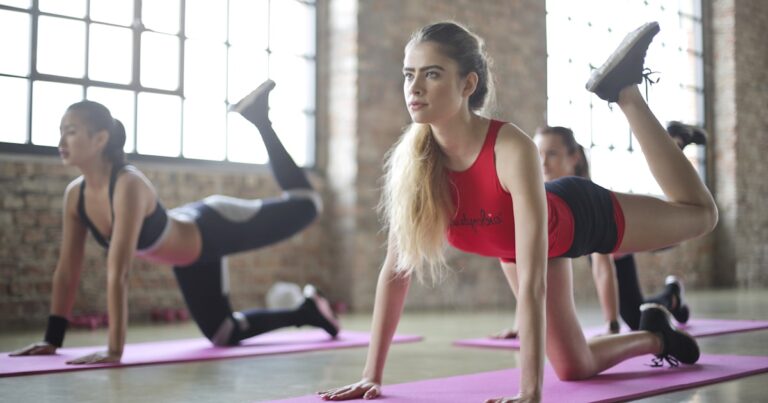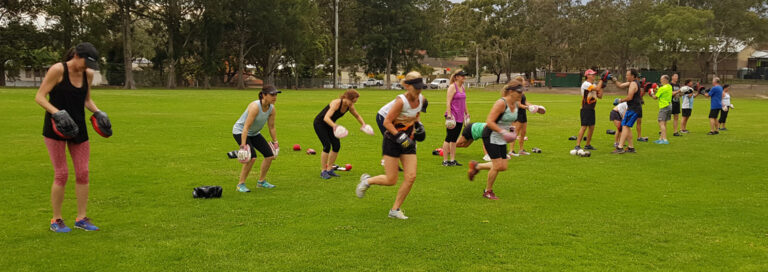
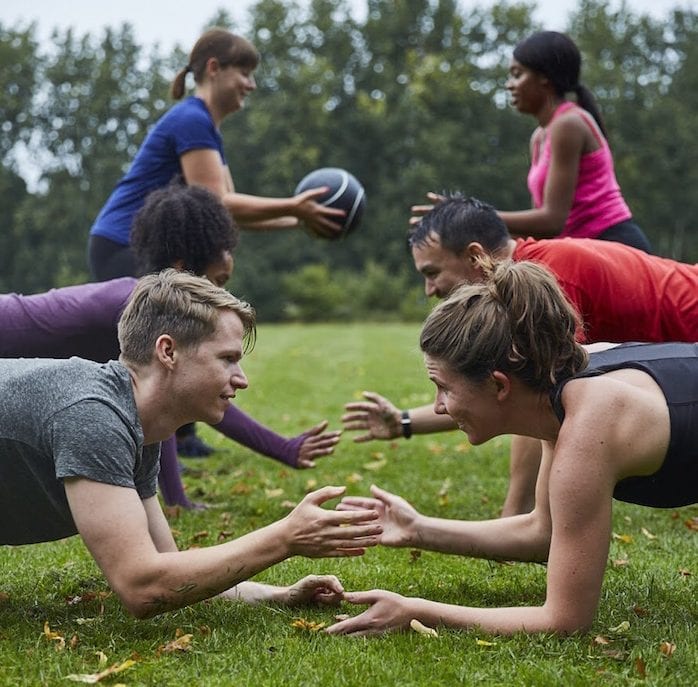
Training with a partner can make exercise more enjoyable and give you a clear appointment to keep. It works best when you agree on the practical details and respect that you may need different exercises, loads and rest. You can share the session without trying to become the same person.
A good training partner doesn’t have to be your fittest friend. Someone with a compatible schedule and a supportive attitude may be a much better match.
Agree on the boring details first
Choose a realistic time, place and session length. Include how long it takes each of you to get there. If one person has to cross Sydney and the other lives around the corner, that “easy weekly catch-up” may need a little adjustment.
Also agree on how you’ll communicate if plans change. A quick message is helpful; a courtroom cross-examination about why someone missed Tuesday is less so.
Our accountability guide has a simple check-in format that keeps the conversation useful.
Keep individual goals in view
You might both want to improve fitness but have different starting points. One person may want to get stronger, while the other is returning after a break or following rehabilitation advice.
Choose a format that allows those differences. You could alternate suitable strength exercises, walk a route that works for both of you or attend a coached group session with appropriate options.
Using a lighter weight or taking more rest shouldn’t require permission from your partner. Nor should the fitter person have to turn every session into a test of patience. Talk about what you’re each hoping to get from it.
Encouragement is useful; pressure isn’t
A little friendly competition can be enjoyable if you both like it and the task is appropriate. It should remain easy to opt out.
Don’t use a partner’s pace or repetition count as evidence that you should ignore symptoms. “Come on, one more” isn’t always the helpful thing to say. Sometimes “Would a break help?” is better coaching, even from a friend.
Progress can mean showing up, learning a movement or completing a sensible amount of work. It doesn’t need a winner.
Let technique advice stay within your knowledge
You can help each other remember an agreed cue or record a set if both people are comfortable with that. But confidence isn’t a coaching qualification.
A non-expert pointing out a body position doesn’t establish what’s safe or diagnose why something hurts. Ask an appropriate coach about technique, and a health professional about symptoms that need assessment.
If you want support alongside the company, our guide to choosing a training group explains what to look for.
Have a solo option
A partnership is more useful when one cancellation doesn’t cancel both people’s activity. Decide what you can sensibly do independently if your friend can’t make it.
Keep that option straightforward and familiar. It might be your usual appropriate session, a shorter version or another planned activity. You can compare notes later without treating the change as a failure.
Leave room for the enjoyable part too: conversation, a walk home or coffee if you both have time. Exercise is allowed to involve company and a bit of a laugh.
Ask Rush PT about suitable personal or group training options in Sydney’s Eastern Suburbs if you and a friend want help getting started. Share both sets of goals so the arrangement works for both of you.