Useful meal prep means having a few foods ready when time and energy run short. You can start with two lunches or one extra dinner portion. There’s no requirement to spend Sunday running a small commercial kitchen.
Choose meals you enjoy, use ingredients across several dishes and freeze what you won’t eat soon. Convenience counts. Frozen vegetables, canned beans and ready-to-eat options can all earn their place.
Plan for the meal that usually goes missing
Look at the next few days. Is lunch the awkward one? Does a late training session leave you standing in front of the fridge hoping dinner introduces itself? Solve that specific problem first.
Pick one or two meals, check what you already have and write a short shopping list. Leave space for eating out, leftovers and changes of plan. A schedule that assumes you cook every night is quite a commitment.
Prepare components you can mix
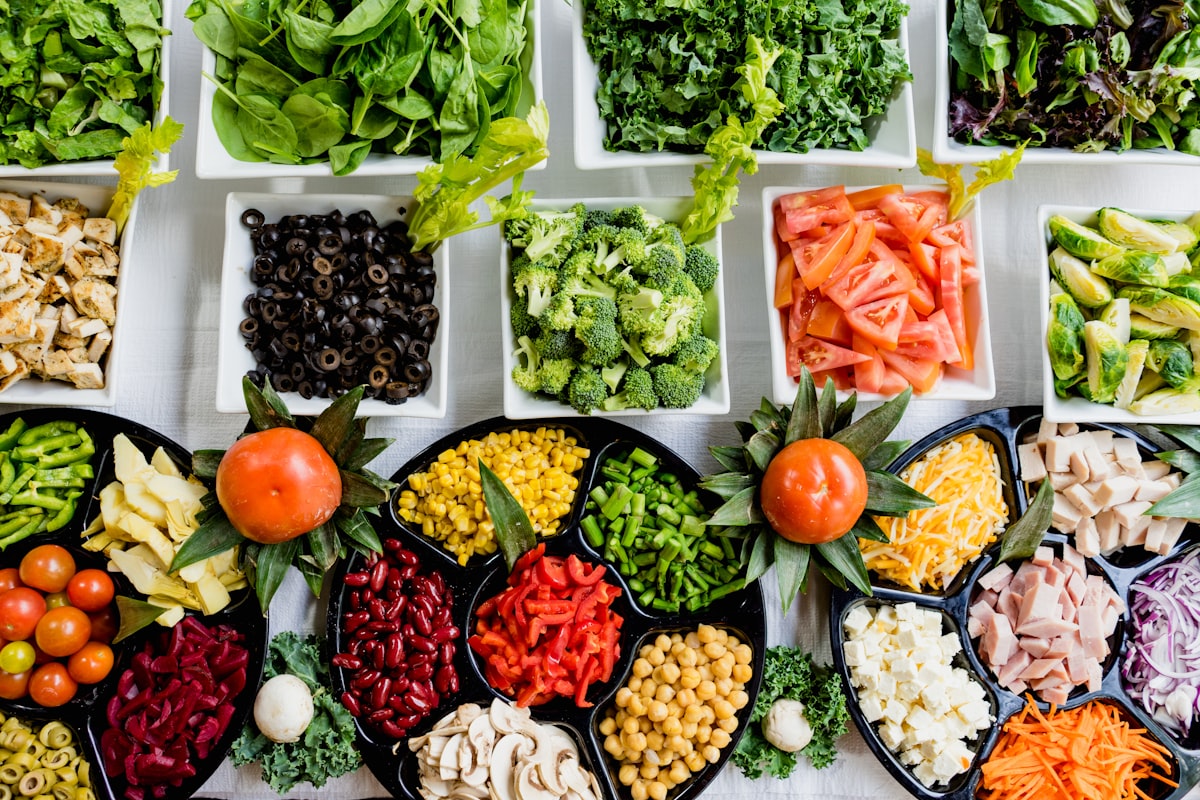
A simple starting combination is a protein food, a carbohydrate food, vegetables or fruit, and something that makes it taste good. Adjust quantities to appetite, preferences and activity.
- Protein options: beans, lentils, tofu, eggs, chicken, fish or yoghurt.
- Carbohydrate options: rice, pasta, potatoes, oats or wholegrain bread.
- Colour and variety: roast vegetables, frozen greens, washed salad leaves or fruit.
- Flavour: herbs, spices, olive oil, lemon, hummus or a sauce you like.
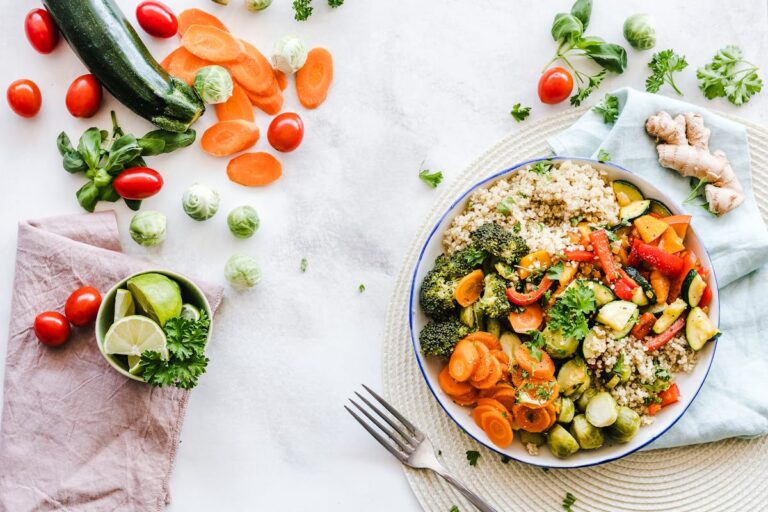
For example, roast vegetables and chickpeas can become a rice bowl one day and a wrap the next. Cooked chicken can work with potatoes at dinner and salad at lunch. You don’t need a different recipe for every container.
Make food storage part of the plan
Cooking several days ahead only helps if the food is stored safely. NSW Food Authority advises refrigerating or freezing leftovers within two hours, keeping them below 5°C and eating refrigerated leftovers within three days. Its guidance is shorter for cooked rice and pasta: within two days.
Divide food into smaller containers so it cools more quickly. Label portions with the date and freeze meals intended for later in the week. Follow the food’s storage instructions, thaw in the fridge and reheat leftovers until steaming hot.
If you take lunch to work without reliable refrigeration, use an insulated bag with ice bricks. The back seat of a Sydney car is not a fridge, even if the air-conditioning had a good run.
Keep a few low-effort backups
Try yoghurt with oats and fruit, eggs on toast, beans in a wrap, or a microwave rice portion with vegetables and a suitable protein food. These are meal ideas, not a compulsory menu.
If you train around mealtimes, our guide to food before and after training can help with timing. For packaged ingredients, learn how to read a nutrition label without overanalysing every purchase.
Keep what works
After a week, notice what you ate, what was convenient and what sat untouched. Prepare less of the neglected option next time. The aim is less friction around meals, not perfect compliance with a spreadsheet.
For help fitting exercise around a busy life, talk with Rush PT about fitness coaching. Individual medical nutrition needs are best discussed with an accredited practising dietitian.