Staying active over Christmas can be as simple as a few walks, some shorter strength sessions and enjoyable movement with people you like. Aim for a version of your routine that fits the break. It doesn’t need to look like an ordinary working week.
Holidays can mean travel, family commitments, unusual sleep and a lot of different plans. Decide what would feel useful before the diary fills up, while leaving room to enjoy yourself.
Choose a holiday version of your routine
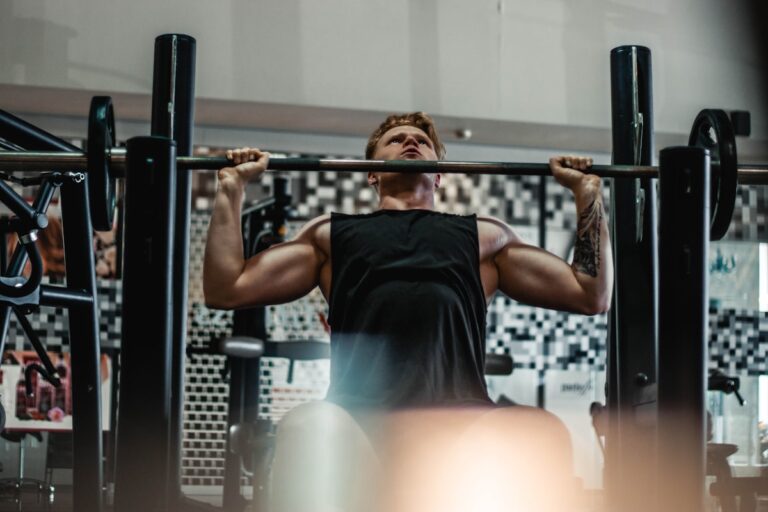
If you normally train several times a week, consider whether one or two shorter sessions would suit the break. If you’re just starting, a familiar walk may be the right place to begin.
You don’t need to maintain every part of your usual program perfectly. A brief change in routine doesn’t mean all your previous work has disappeared, and you can build back towards your normal workload afterwards.
Write down a couple of opportunities rather than a demanding daily rule. A plan that survives a late lunch and a change of location is probably a useful one.
Keep a short strength option available
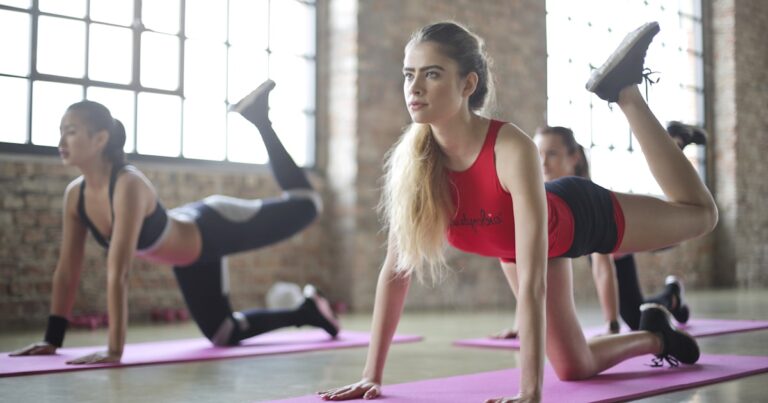
After an easy warm-up, try a few familiar movements in a clear, comfortable space:
- 6–10 sit-to-stands or bodyweight squats.
- 5–10 wall or incline push-ups against a secure surface.
- 6–10 glute bridges, if comfortable.
- A short, manageable plank variation or a few dead bugs.
Rest as needed and repeat once if it suits your current fitness. These numbers are an example, not a requirement. Choose easier versions or stop after one round if that’s enough for the day.
Our bodyweight exercise guide offers more ideas. Use movements you know rather than learning something ambitious in a crowded holiday living room.
Make movement part of the outing
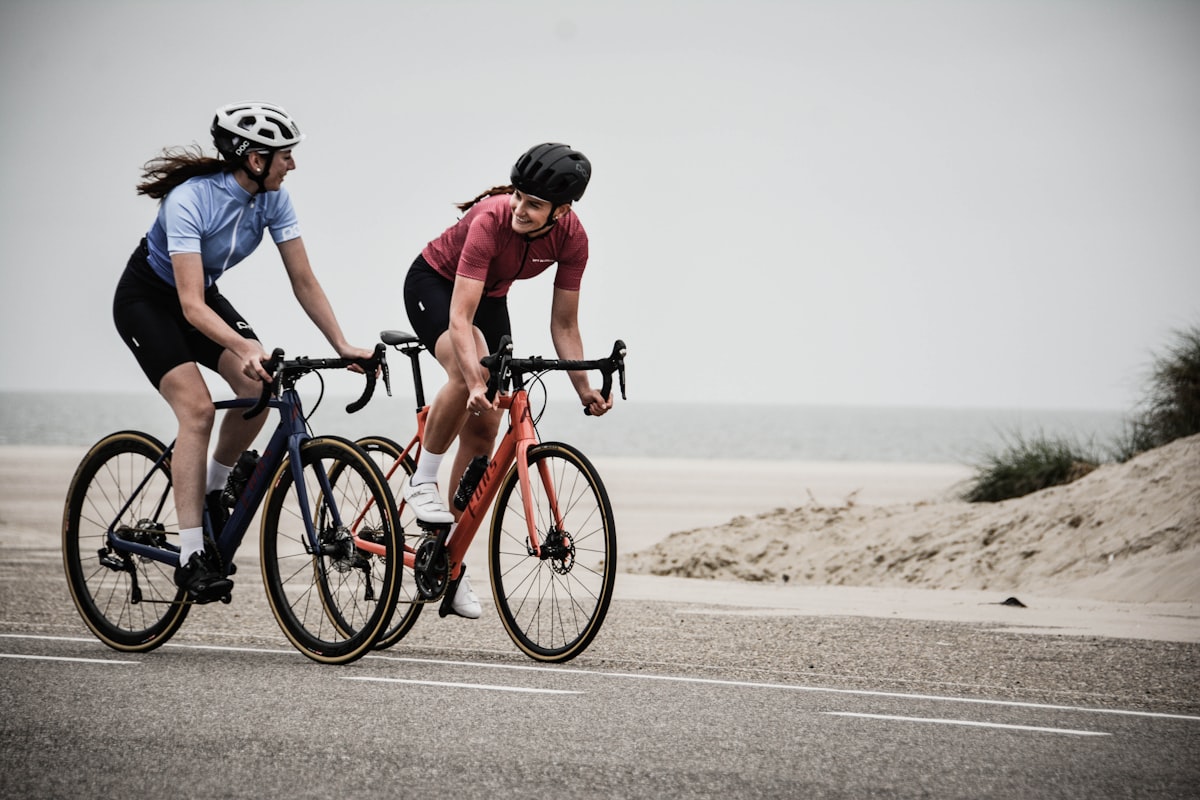
A walk after lunch, a relaxed bike ride or a swim in suitable conditions can be enjoyable in its own right. If you’re staying in Sydney, choose a familiar park or foreshore route with enough shade and suitable access.
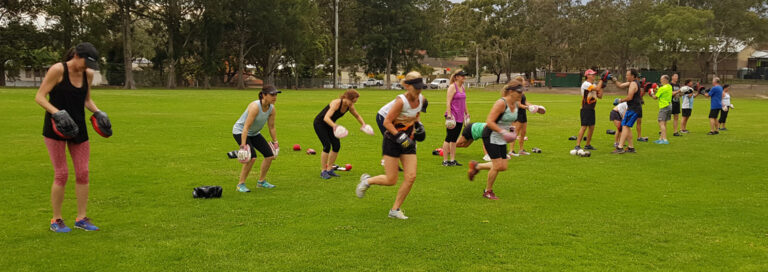
Consider everyone’s abilities when suggesting a shared activity. A family walk doesn’t need to become interval training just because you’ve remembered your watch.
For summer sessions, check the heat and UV conditions, carry water and adjust the time or intensity. Our summer training guide has practical planning tips.
Leave food compensation out of it
You don’t need to earn Christmas lunch or work it off the next morning. Enjoy the foods and traditions that matter to you, and return to your usual eating pattern when it suits the day.
Exercise is more useful when it supports your wellbeing than when it becomes a punishment for dessert. If the break needs to include more rest, allow that too.
Make returning straightforward
Put your first manageable session back in the diary. Start with familiar exercises and adjust the effort to how you feel after the break; there’s no need for a punishment workout to announce January.
For help setting up a flexible routine, ask Rush PT about personal training in the Eastern Suburbs or online coaching worldwide. We can discuss a plan that works around holidays as well as ordinary weeks.