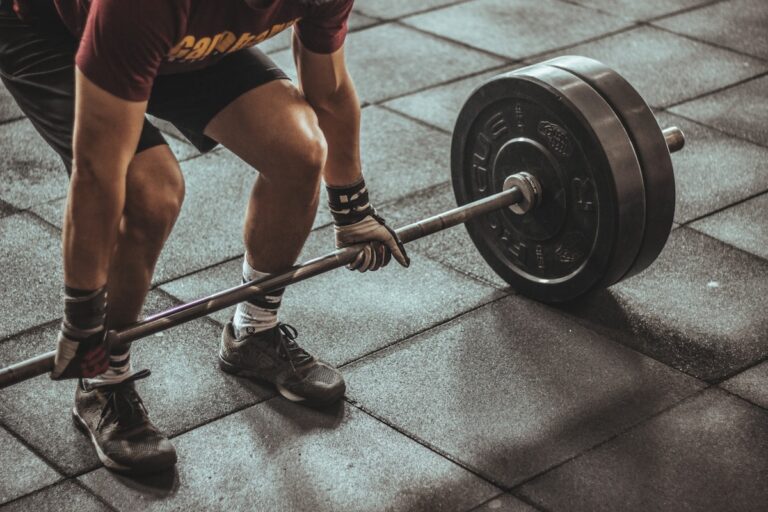
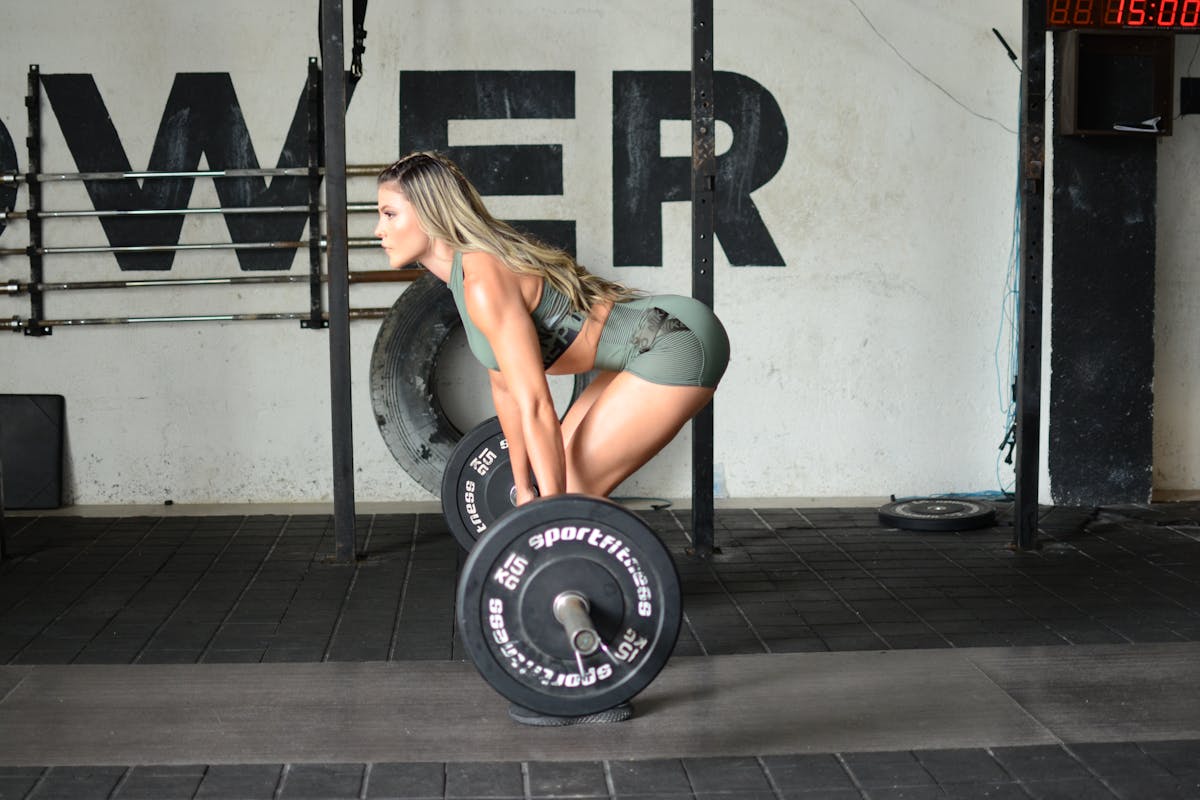
A deadlift is a way of lifting a weight from a resting position, usually using a combination of hip and knee movement. It can be a useful strength exercise, but the variation, starting height and load should suit you. Everyone doesn’t need to pull a heavy barbell from the floor.
If the movement interests you, learn a manageable version and build gradually. If it doesn’t fit your current needs, other exercises can still help you train.
What are you practising?
Deadlift variations involve the legs and hips, with the trunk and upper body helping control the load. Holding the weight also challenges your grip.
That makes the exercise a useful option when you want to practise lifting. It doesn’t perfectly reproduce every task in daily life, and it can’t promise a pain-free back. Exercise choice should connect to your goal rather than a claim that one movement is essential for everyone.
For broader context, see our guide to compound exercises.
Choose the starting height before adding weight
A weight on the floor requires you to reach a particular distance. That distance may not suit your current range, proportions or experience. Raising the weight on a stable, suitable support can change the task.
A kettlebell between your feet may be convenient, but it isn’t automatically easier just because it’s a kettlebell. The handle height and load still matter.
Practise setting up, holding the weight, standing and returning it with control. Give yourself enough room and a clear place to put it down. A coach can help you find useful cues without turning the setup into a twenty-point checklist.
Different variations do different jobs
- Kettlebell or dumbbell lift: often a practical way to explore a manageable load and starting position.
- Romanian deadlift: starts from standing and lowers through a range you can control, rather than requiring a floor touch.
- Trap-bar deadlift: changes the position of the handles and may offer different starting heights.
- Conventional or sumo barbell deadlift: different stance and grip arrangements that may suit particular preferences or goals.
These aren’t compulsory stages. A trap bar isn’t universally safer, and a sumo stance doesn’t automatically solve back discomfort. Try an appropriate option with guidance and pay attention to your response.
Build enough practice to learn from
Start with a load and amount of work that let you practise the intended movement. Record the variation, resistance and repetitions so you have something to review.
Once the current work is manageable and recovery is going well, discuss a small progression. That might be more resistance, a few more repetitions or a different range. Changing one thing makes the response easier to interpret.
ACSM’s resistance-training guidance supports an individual approach; it doesn’t require a particular deadlift variation. Our progression guide explains how to keep the changes useful.
Bring concerns into the conversation
If you’ve had an injury, have osteoporosis or another condition affecting exercise, use appropriate clinical guidance. New or concerning pain is a reason to pause and seek advice, not simply stretch harder or change stance until you can push through.
You don’t need to prove anything to the weight on the floor. It has no opinions.
Ask Rush PT about learning suitable strength exercises through personal training or online coaching. We’ll start with your goals, experience and the equipment available.