
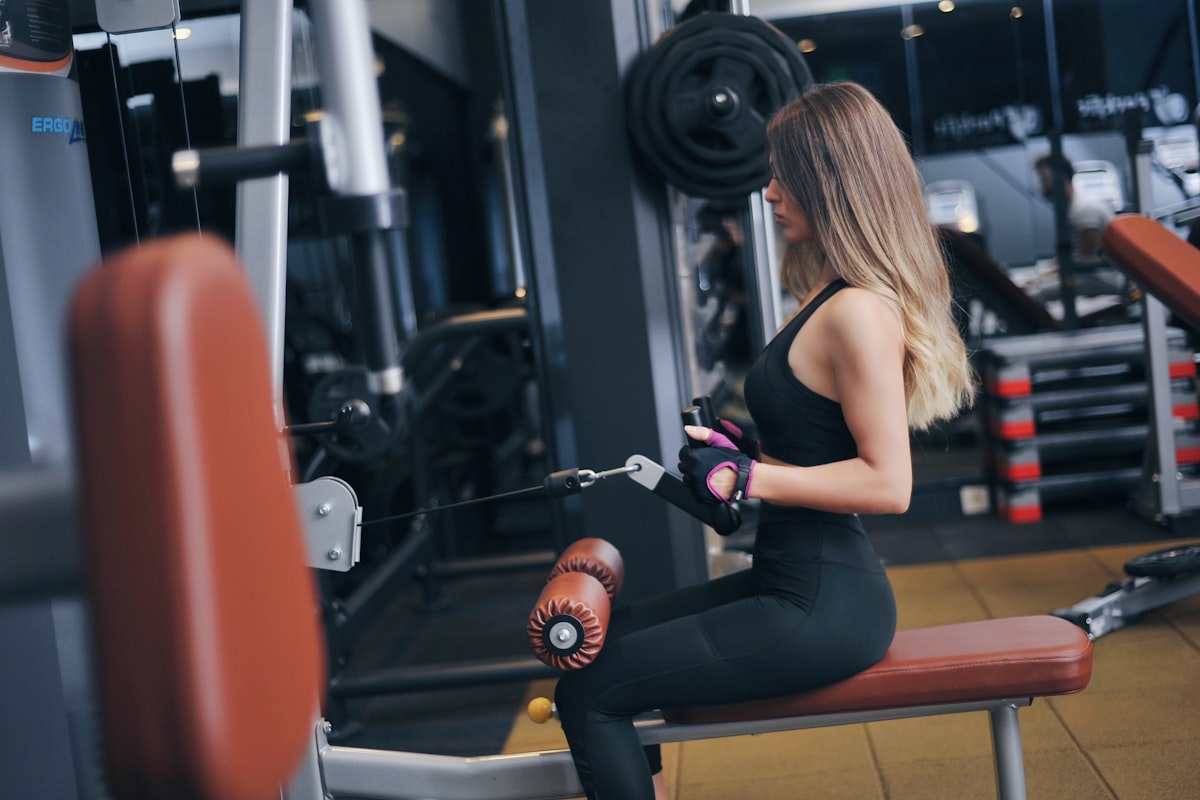
A training partner can make it easier to keep a session in your diary. You have a time, a place and someone to share the work with. It helps most when the arrangement feels supportive and practical, rather than like a weekly appointment with guilt.
You don’t need matching fitness levels. Similar availability, clear expectations and respect for each other’s limits are a much better starting point.
Agree on the boring details first
Choose a time and place you can both reach without turning the session into a logistical event. Decide how long you’ll train and what happens if one person is late or needs to cancel.
A simple arrangement might be: meet for a 30-minute session on Tuesday; message by the previous evening if plans change; do an individual version if the other person can’t make it.
That last part matters. Your routine can benefit from company without depending entirely on another person’s diary. Life will occasionally have the audacity to interfere.
Choose your version of the workout
One partner might use incline push-ups while the other works from the floor. You can walk or jog the same loop at different paces and regroup at an agreed point. Sharing a session doesn’t require sharing a load or rep count.
Try a simple alternating format: one person completes a comfortable strength set while the other rests, then swap. Allow extra recovery when needed; the other person’s pace shouldn’t decide whether you’re ready.
Our guide to training in pairs offers more ideas for sessions you can share.
Ask what encouragement sounds like
Some people like a cheerful challenge. Others want calm company and no commentary on their last repetition. It’s worth asking before you appoint yourself their motivational speaker.
Useful encouragement might be “shall we do the shorter version today?” or “you looked more comfortable with that exercise”. Pushing someone through pain, comparing bodies or criticising food choices isn’t helpful accountability.
Keep goals and any personal health information private unless your partner wants to share them.
Make check-ins easy to answer
On days you don’t train together, a short agreed check-in can help: “How did the session go?” leaves room for an honest answer. “Why didn’t you train?” can feel rather different.
Discuss obstacles and the next opportunity instead of keeping a tally of missed workouts. Consistency includes returning after interruptions. You don’t need an unbroken streak to make the partnership worthwhile.
Review the arrangement after a few weeks
Are you both turning up more often? Do the sessions feel useful? Is one person repeatedly rushing, waiting or doing a workout that doesn’t fit their goal?
Change the time, split part of the session or reduce how often you meet if that helps. A good friendship doesn’t have to carry an unsuitable training schedule.
If you’d prefer a wider circle or more guidance, our small-group training guide can help you compare options.
Talk to Rush PT about personal training or group training in Sydney’s Eastern Suburbs if you’d like coaching alongside the company. We can discuss what each person wants from the arrangement.