
A useful warm-up starts easily, builds gradually and includes simpler versions of the work you’re about to do. You should finish it feeling more prepared, with enough energy left for the actual session.
For many general workouts, around five to ten minutes is a practical starting point. You may need longer for demanding lifting, faster running, a cold start or movements that take more preparation. The clock is a guide, not the entire decision.
Begin with easy movement
Walk, cycle, row or march at a comfortable pace. Build the effort gradually so your breathing and movement feel ready for more. The NHS warm-up routine uses simple movements such as marching, shoulder rolls and gentle knee bends.
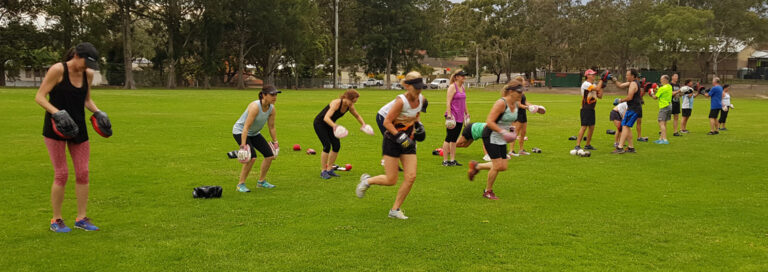
You don’t have to use the same equipment you’ll use later, but it helps to keep the preparation relevant. A few minutes of comfortable walking can be a useful beginning to an outdoor session.
Move through the ranges you’ll need
Choose a small number of controlled movements. For a lower-body session, you might practise comfortable squats, ankle movements and gentle hip hinges. For upper-body work, add easy arm movements and light versions of your presses or rows.
Use a range that feels available today. Avoid forcing a stretch just because you usually reach further. The warm-up is a chance to notice how you’re moving before the demands increase.
If you enjoy stretching, include it thoughtfully and keep the whole sequence appropriate to the workout. A warm-up shouldn’t consist only of holding one position and then immediately attempting your hardest effort.
Rehearse the specific task
Before a challenging squat, do some easier squats. Before pressing a heavier weight, use lighter practice sets. Before faster running, start with easy walking or jogging and build the pace gradually if appropriate.
Increase the demand in manageable steps. A heavy strength session may need several preparation sets; a gentle walk usually needs much less. For exercise options, see our outdoor warm-up routine.
A simple example for a strength session
- Walk or cycle easily for a few minutes.
- Practise a handful of comfortable squats and hip hinges.
- Move your shoulders and arms through the ranges needed for your session.
- Complete light sets of your first exercises, gradually approaching the planned working load.
Adjust the amount to your experience and the session. You should be preparing the movements, not collecting exercises to make the warm-up look impressive. If you’re exhausted before the first work set, you’ve probably overdone the opening act.
Use the information you get
If something feels unusually uncomfortable, change the load, range or exercise and reassess. Persistent or worsening pain needs attention; warming up harder isn’t a reliable fix.
A warm-up can support preparation, but it can’t guarantee you won’t get injured. Overall workload, recovery and the suitability of the session still matter. Our training-injury guide looks at the broader picture.
For help building sessions with sensible preparation and progression, ask Rush PT about personal training in Sydney or online coaching.