
Training through a Sydney summer means adjusting the session to the conditions, and sometimes postponing it or moving indoors. Heat isn’t a fitness test. A sensible change of plan is more useful than completing a workout that leaves you unwell.
Look at heat, humidity, sun exposure, air quality and the activity itself. A shady walk and hard intervals in direct sun are different propositions, even on the same afternoon.
Before you leave home
Check the forecast and any relevant warnings. Earlier or later sessions may be more comfortable, but the clock alone doesn’t make conditions safe. Plan where you’ll get shade, water and help if needed.
Sports Medicine Australia’s heat guidance and tool consider conditions alongside the demands of the activity. They recommend modifying activity and delaying or cancelling it when risk is extreme.
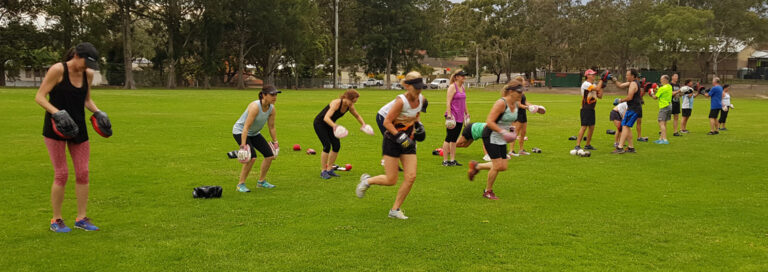
For a regular group session, confirm the arrangements with the organiser. Don’t rely on an old blog post for start times or a blanket promise to train in every kind of weather.
Make the session easier to manage
Options include reducing intensity or duration, taking more frequent breaks, finding suitable shade or choosing an indoor alternative. There’s no single percentage reduction that makes every workout safe.
Allow time to get used to warmer conditions without assuming a couple of hot sessions make you heat-proof. Your health, medication and recent activity can affect what is appropriate. Seek individual advice if you have relevant concerns.
Our outdoor-versus-gym comparison can help you think about backup options. A good training routine is allowed to have a weather clause.
Bring fluids, without forcing a fixed amount
Have drinks available and plan for fluid losses during and after exercise. Needs vary with the person, conditions and session; drinking excessive amounts can also be harmful. Follow any medical fluid advice you have.
You don’t automatically need electrolytes because a timer passes 45 minutes. For long, demanding or very sweaty sessions, get guidance suited to the activity and your needs. A casual pinch of salt isn’t a personalised hydration plan.
Sports Medicine Australia’s guidance covers planning, rest breaks and hydration together. None of them makes it sensible to push through dangerous conditions.
Think about UV as well as temperature
A cool breeze doesn’t measure UV. Cancer Council recommends sun protection when UV reaches 3 or above, using clothing, a broad-brimmed hat, shade, sunglasses and broad-spectrum, water-resistant SPF50 or SPF50+ sunscreen.
Follow the product directions, apply before going outside and reapply at least every two hours, including after swimming, sweating or towel-drying. Sunscreen is one part of protection, not a reason to stay exposed indefinitely.
Stop early if you feel unwell
Dizziness, nausea, headache or unusual weakness in the heat are reasons to stop, move somewhere cool and get help assessing what is happening. Don’t simply label every symptom dehydration.
Confusion, collapse, seizures or suspected heatstroke are an emergency: call 000 in Australia. Begin cooling and follow the operator’s instructions. A person can still be sweating with exertional heatstroke; don’t wait for dry skin or a 15-minute deadline. Healthdirect explains the warning signs and first aid.
Keep the routine flexible
Choose an alternative you can use on unsuitable days: another time, a shorter appropriate activity or a different venue. Our routine-building guide can help make that part of the plan.
Ask Rush PT about outdoor training in Sydney’s Eastern Suburbs and discuss how sessions can fit your goals and the conditions. Consistency includes knowing when to change the plan.